Career and Proposal of Master
Alejandro Santiago
A life dedicated to the development of fine arts, community creation, and the promotion of Oaxacan heritage.
Origins in the Sierra Norte
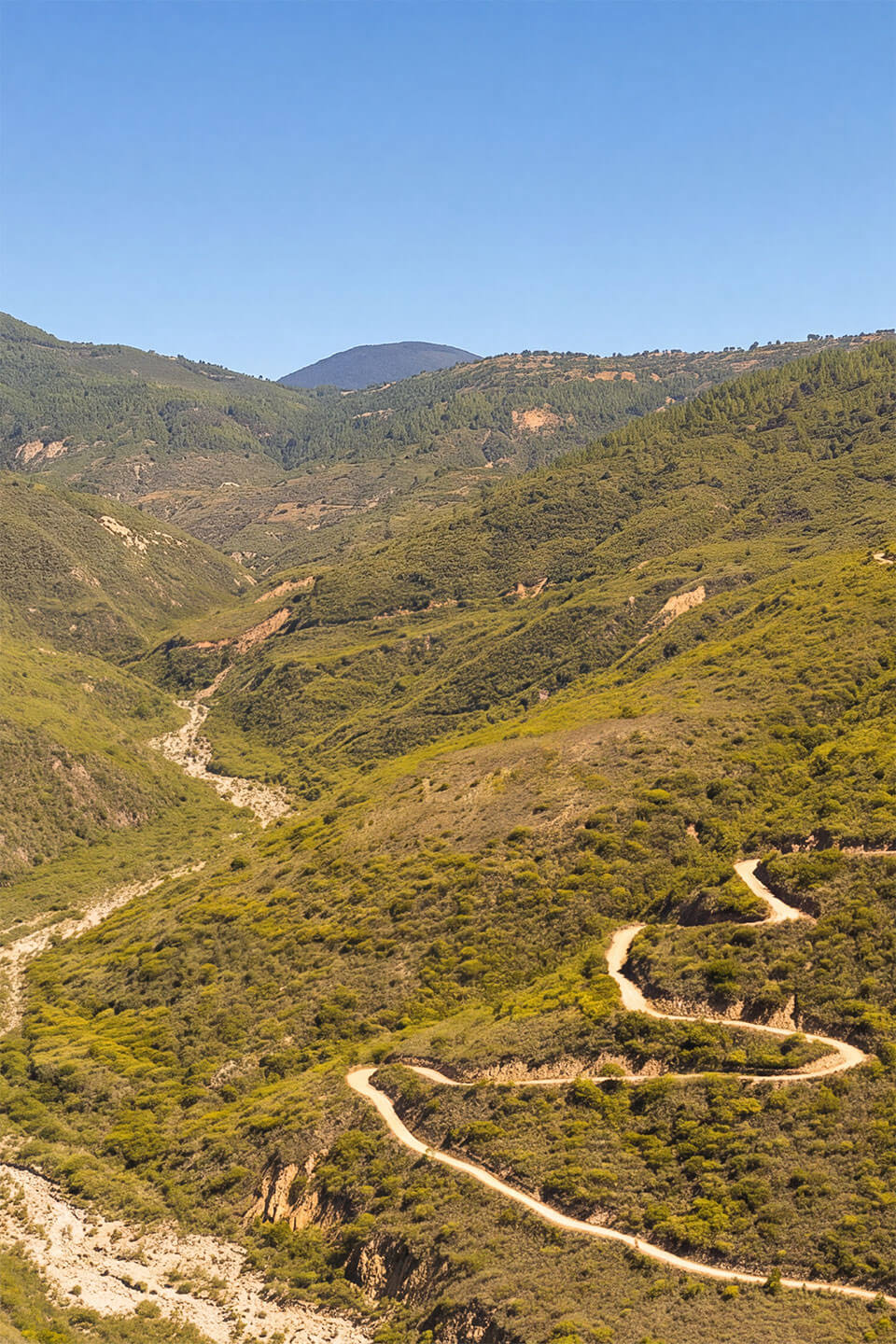
Alejandro Santiago Ramírez was born on April 22, 1964, in Teococuilco de Marcos Pérez, a small Zapotec village in the mountains of the Sierra Norte of Oaxaca. During his childhood, he was surrounded by nature, local customs, his grandparents' language, and community stories. That deep connection to the land and the traditions of his people permanently shaped his worldview and artistic creation.
At nine years old, his family had to leave the countryside and move to Oaxaca City. Leaving the mountains to adapt to the city was not an easy transition for young Alejandro. In the face of this change, he found refuge in manual work and began making his own toys, such as slingshots, spinning tops, and marbles. This need to build objects with his hands became the seed of his talent and his first way of connecting with the world.
Workshop Years and the Oaxacan Avant-Garde
In 1974, he joined the first generation of the Rufino Tamayo Visual Arts Workshop under the tutelage of master Roberto Donís, where he consolidated a practice characterized by technical freedom and expressive exploration. This space operated with unique creative freedom: students lived and worked there full-time, encouraged to find their own style rather than copy traditional models. During this period of continuous learning, Alejandro developed the fluidity of his stroke through drawing and discovered the expressive strength that would define his graphic and pictorial work.
After completing that stage, he continued his training at the Oaxacan Graphic Arts Free Workshop, directed by Juan Alcázar, where he mastered printmaking and engraving techniques. In that same space, he met Zoila López, his life partner and creative collaborator. By 1985, his talent bore fruit with his first solo exhibition and the acquisition of three of his works by the Rockefeller Foundation—an achievement that boosted his professional profile in Mexico and abroad.
From the Global Scene to Community Commitment
Alejandro Santiago's talent quickly crossed Mexico's borders. In 1993, his work was selected to participate in Europalia 93 in Brussels, Belgium (the prestigious international art festival dedicated that year to Mexico), a milestone that propelled his career across Europe. He lived in France for several years and presented his work in venues across Germany and the Netherlands. However, while living in these major cities, he experienced firsthand the distance and displacement of being far from his country.
Despite commercial success and international recognition, the strength of his Zapotec roots drew him back to Mexico. The experience of living abroad enriched his perspective on the human condition and the meaning of belonging. Back in Oaxaca, he began the most mature and committed phase of his career, focused on placing art at the service of his community.
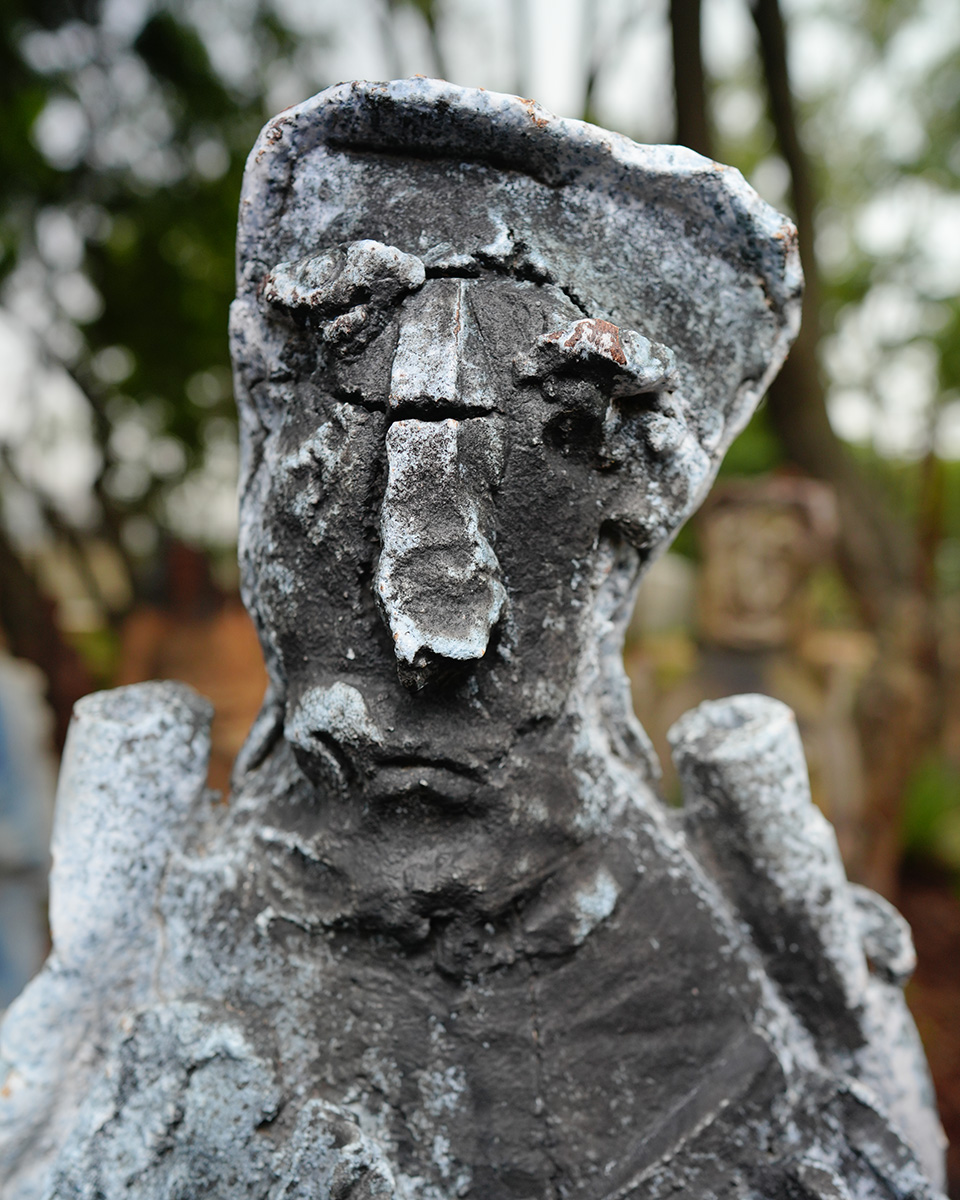
Timeline
-
1964
Birth in the Sierra Norte:
Born on April 22 in Teococuilco de Marcos Pérez, Oaxaca. Grows up immersed in nature, the Zapotec language, and mountain customs.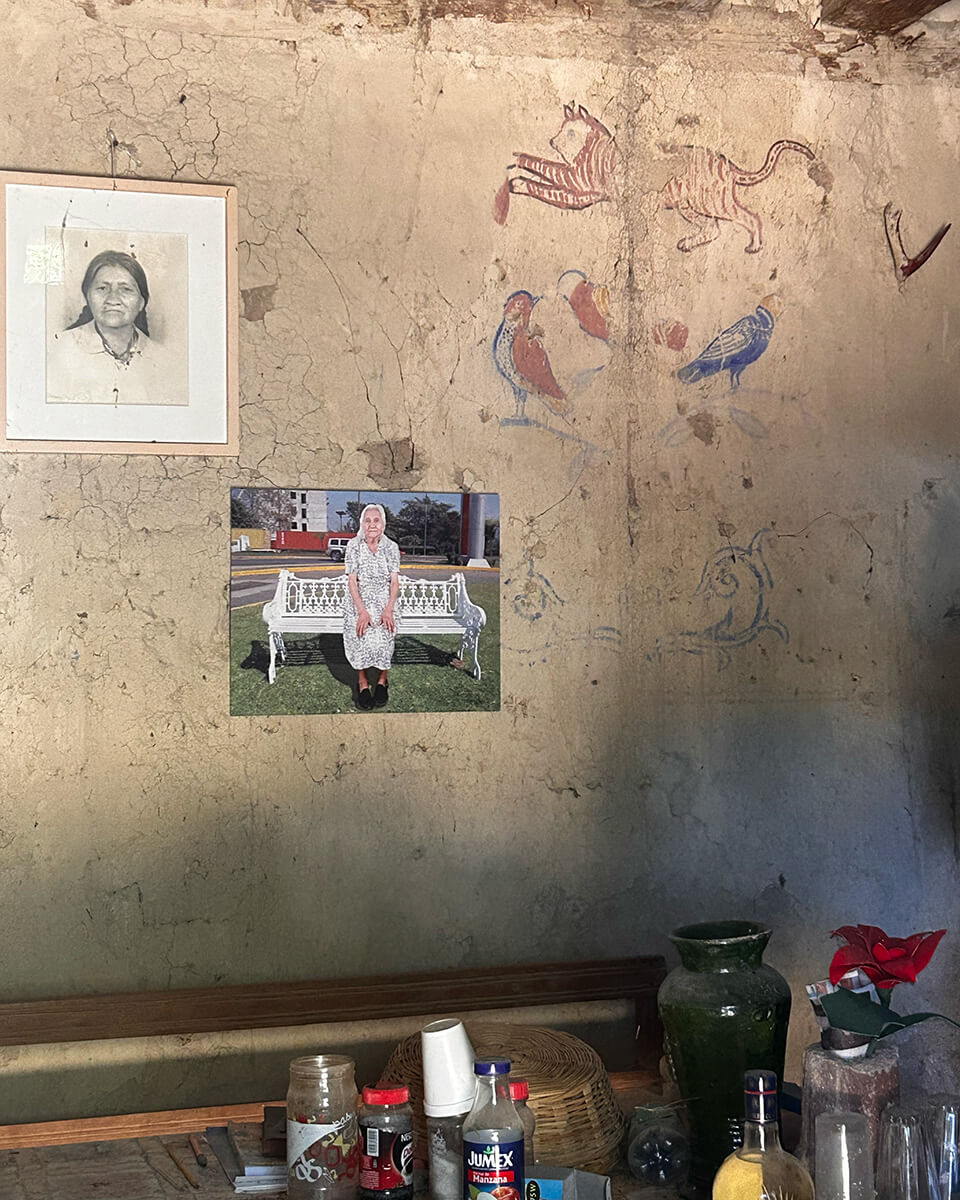
-
1973
The First Exodus
At age nine, his family migrates to Oaxaca City. To cope with the cultural shock, he begins making toys by hand (slingshots, tops, and marbles), laying the groundwork for his sculptural drive.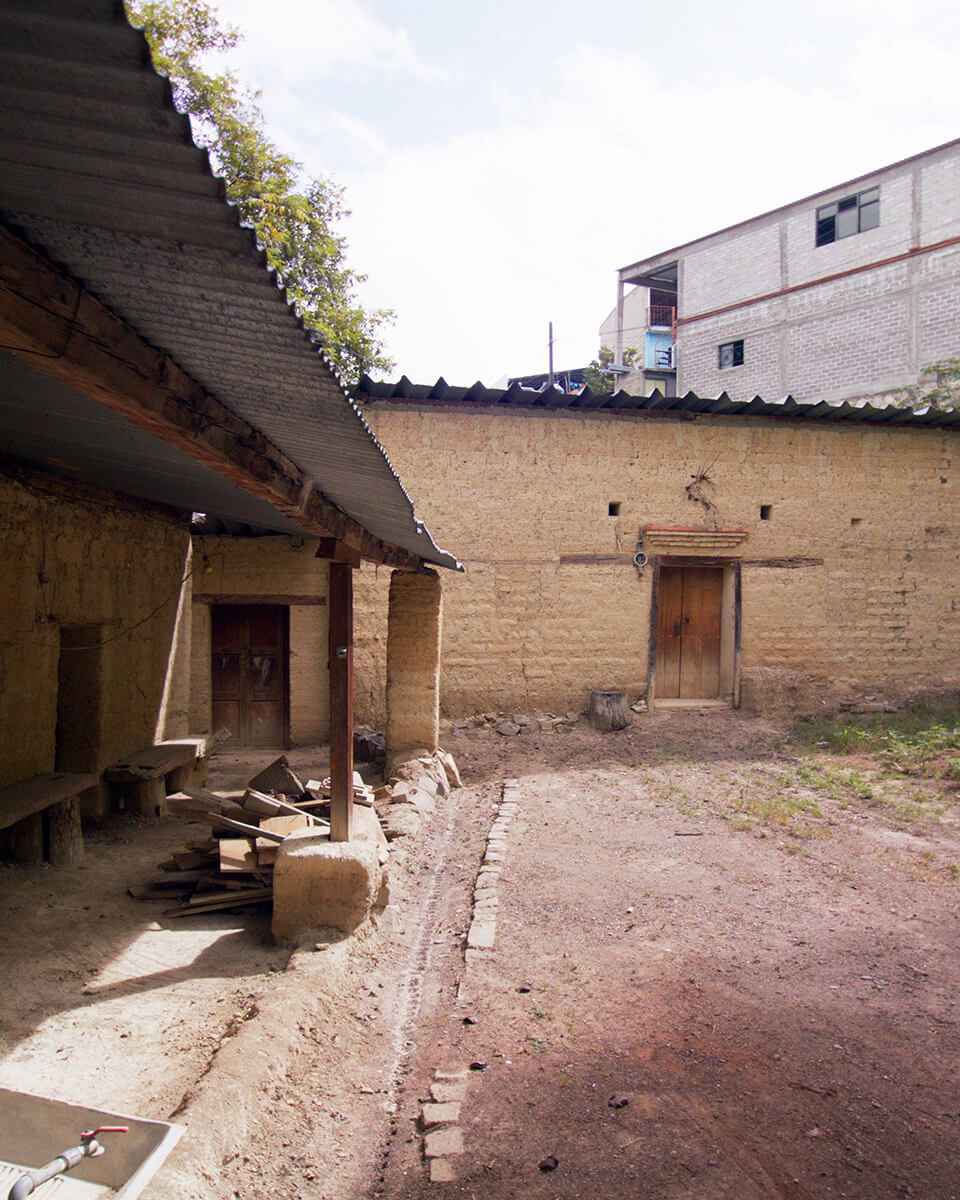
-
1974–1984
Tamayo Workshop and Avant-Garde
Enters the first generation of the Rufino Tamayo Visual Arts Workshop directed by Roberto Donís. Develops stroke fluidity through intensive drawing and technical freedom.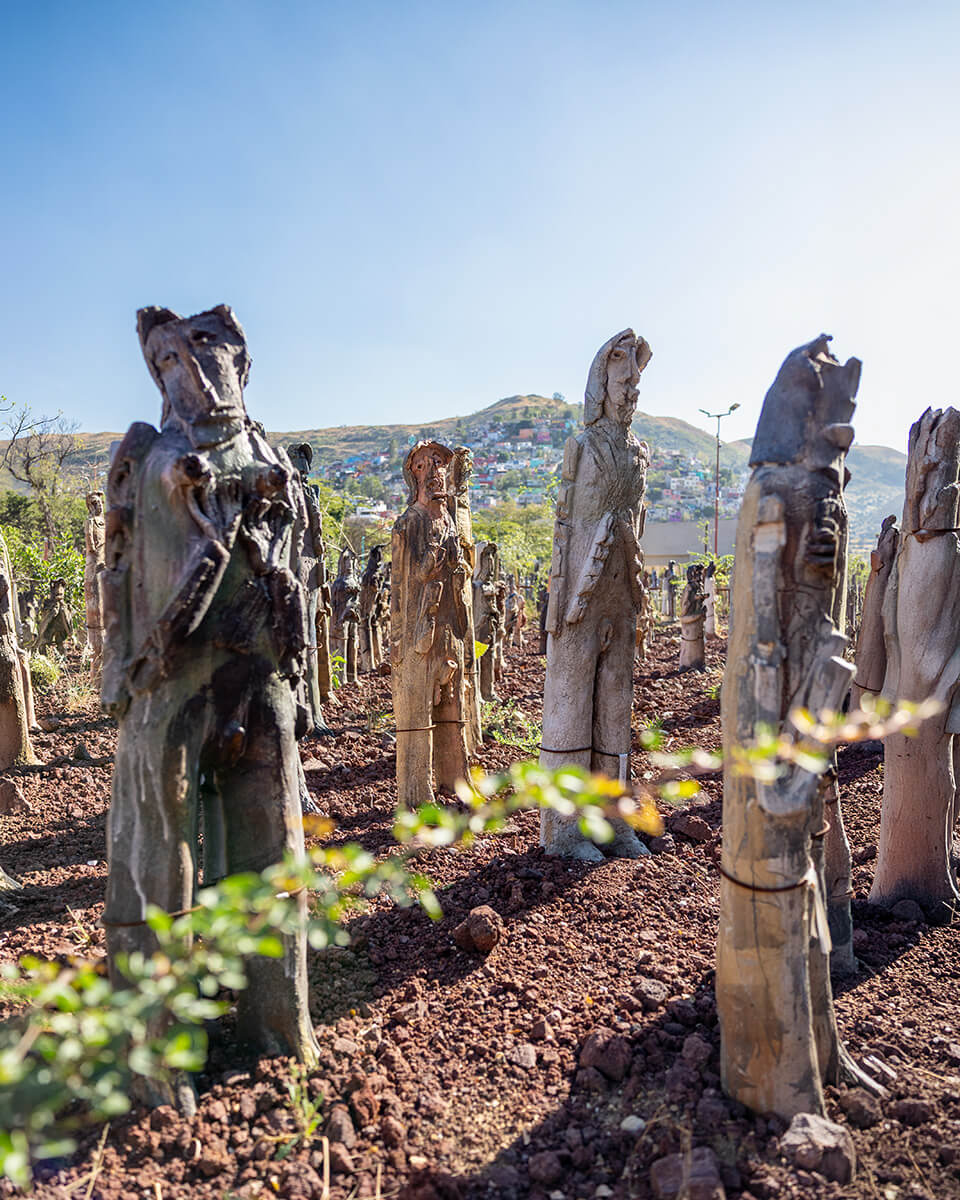
-
1984–1985
Printmaking, Family, and First Recognition
Joins the Oaxacan Graphic Arts Free Workshop with Juan Alcázar, where he meets his life partner, Zoila López. In 1985, he holds his first solo exhibition, and the Rockefeller Foundation acquires three of his works.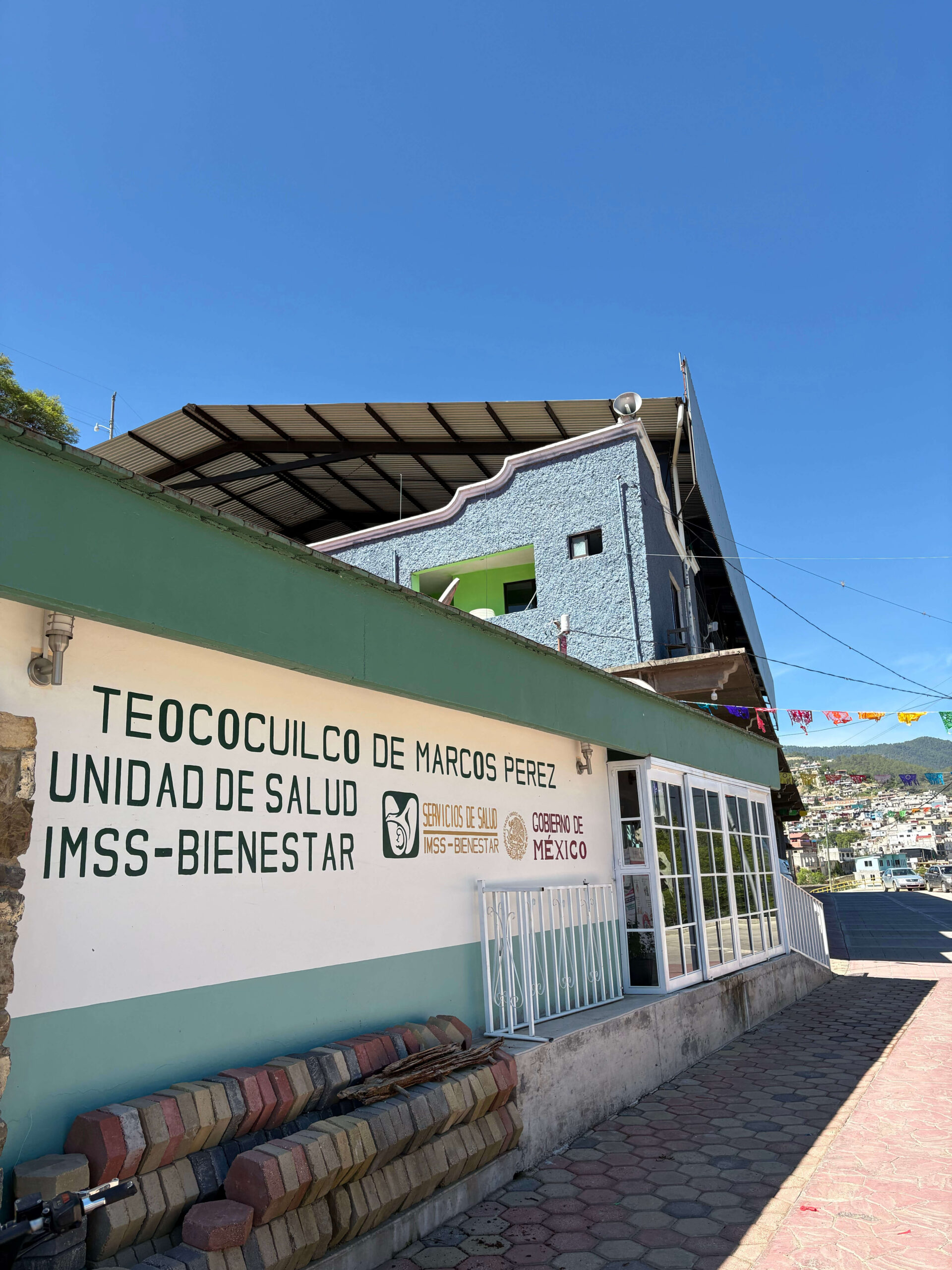
-
1993–1998
International Projection in Europe
Selected for Europalia 93 in Brussels, Belgium. Lives in France and exhibits in Germany and the Netherlands. Experiences nostalgia and deep attachment to his homeland firsthand.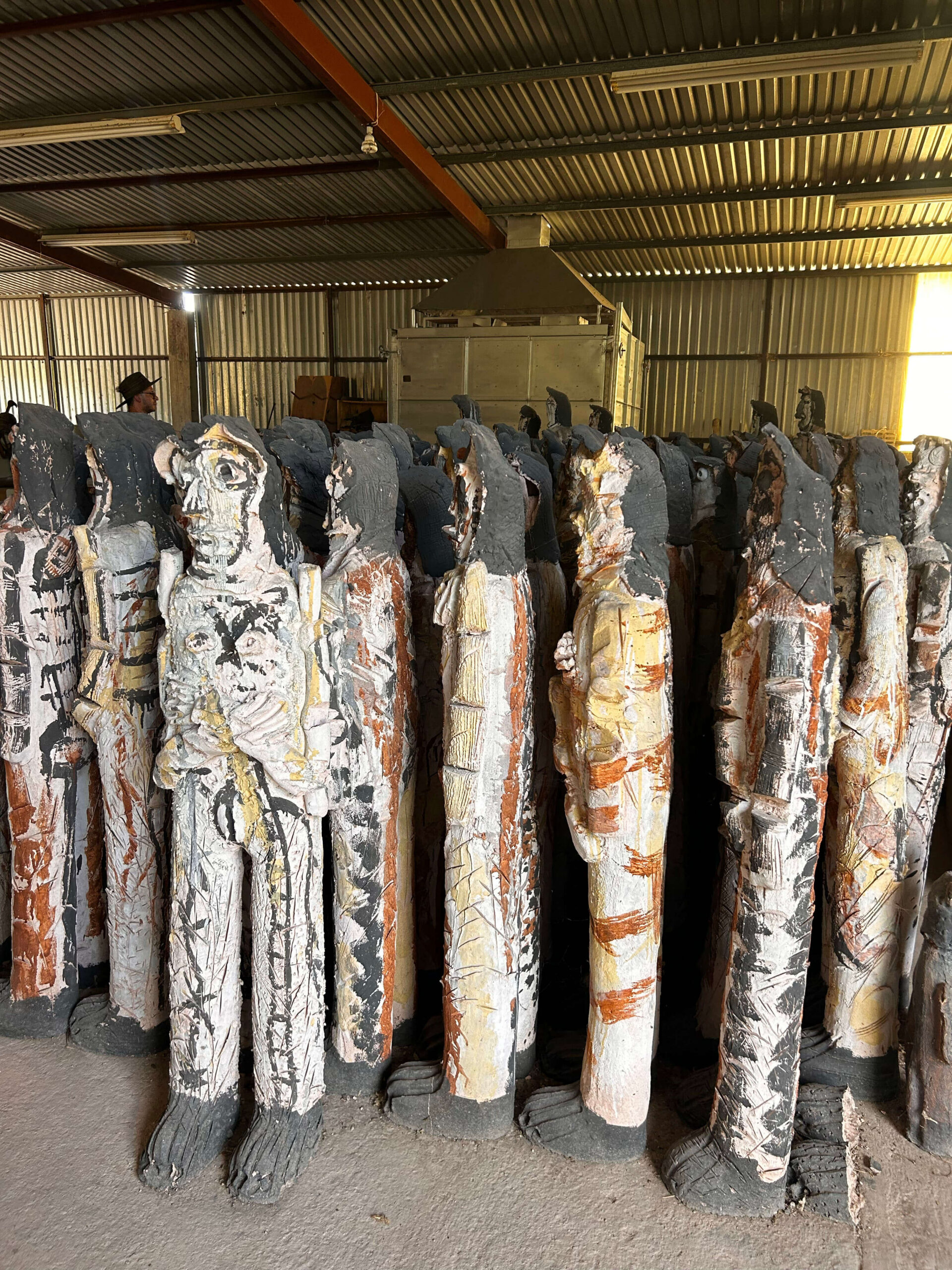
-
2001
Return to Teococuilco and the Impact of Silence
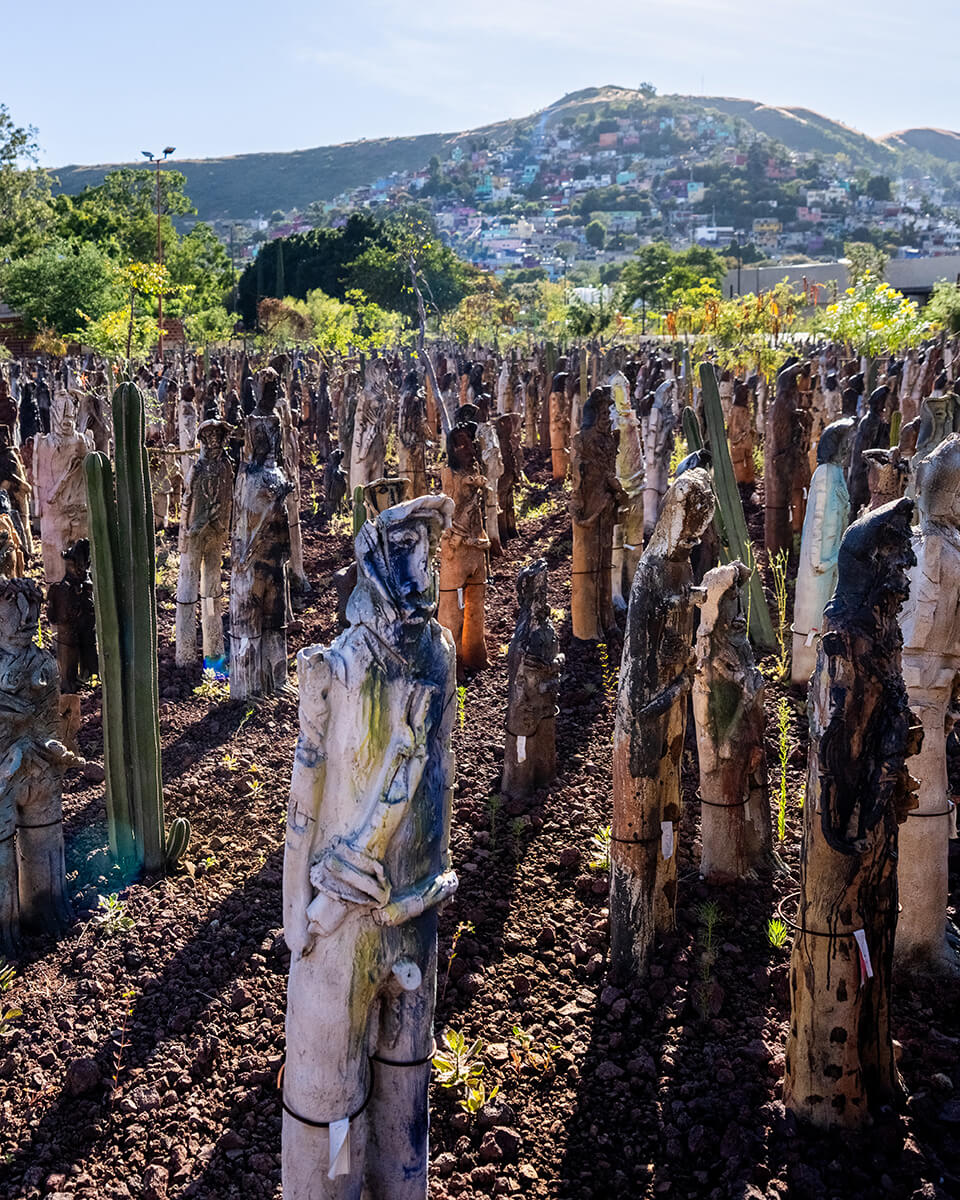
Upon returning to his hometown, he discovers the devastating impact of migration: empty houses and silent streets. He decides to symbolically repopulate the community through clay.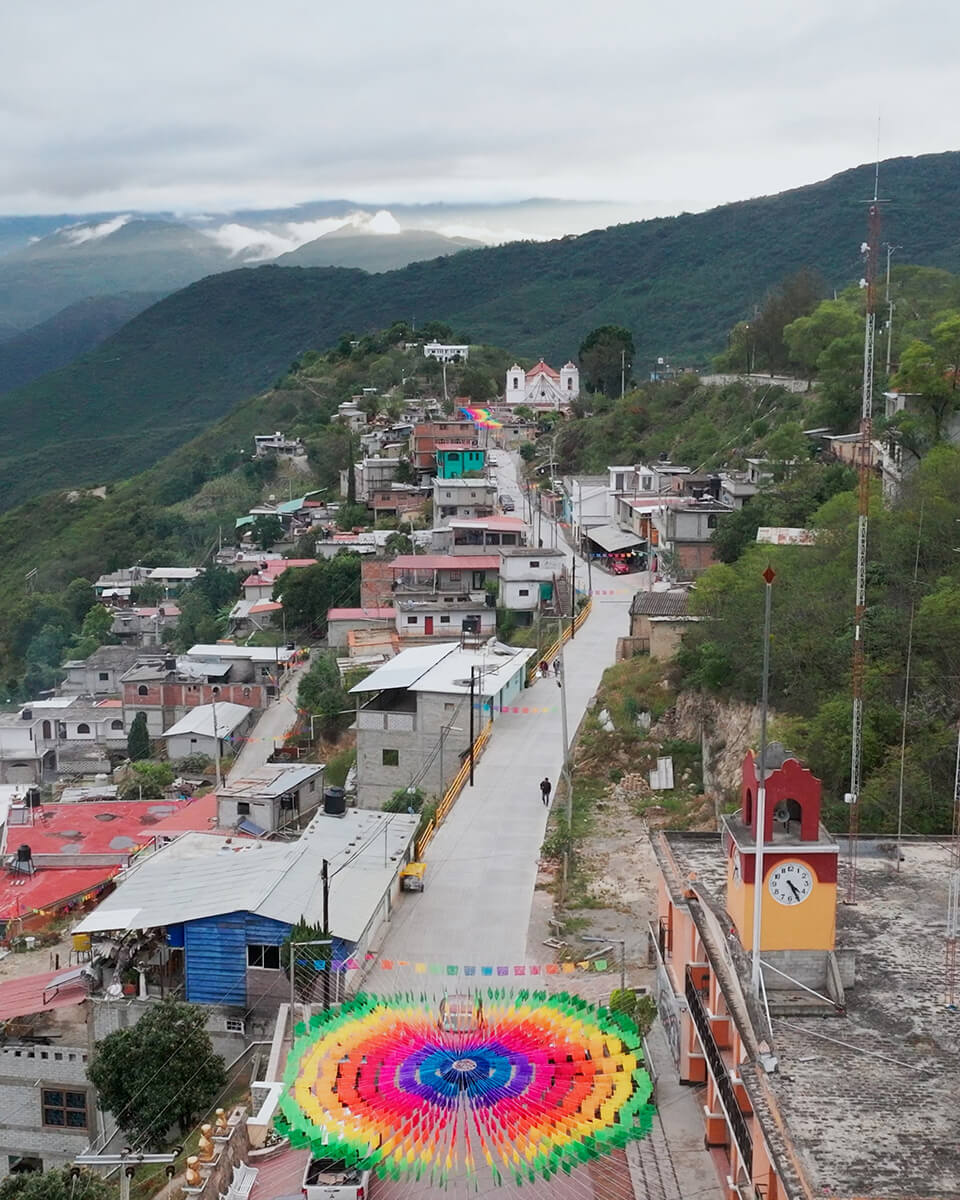
-
2002
Crossing the Border
To understand the migrant's fragility, he crosses the Tijuana border undocumented through Mesa de Otay assisted by a "coyote." This experience defines the raw truth of the 2501 Migrantes project.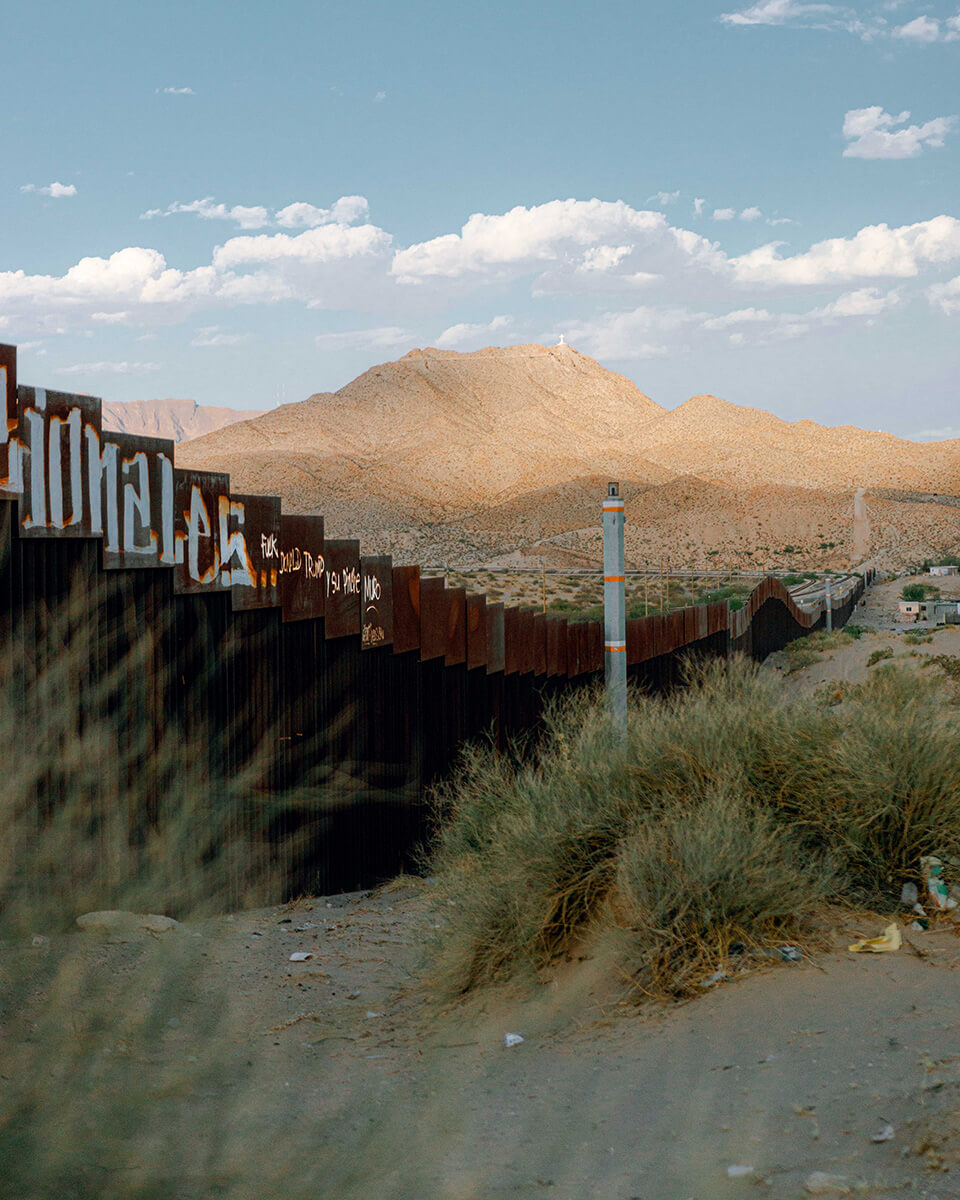
-
2002–2007
Creative Tequio in Suchilquitongo
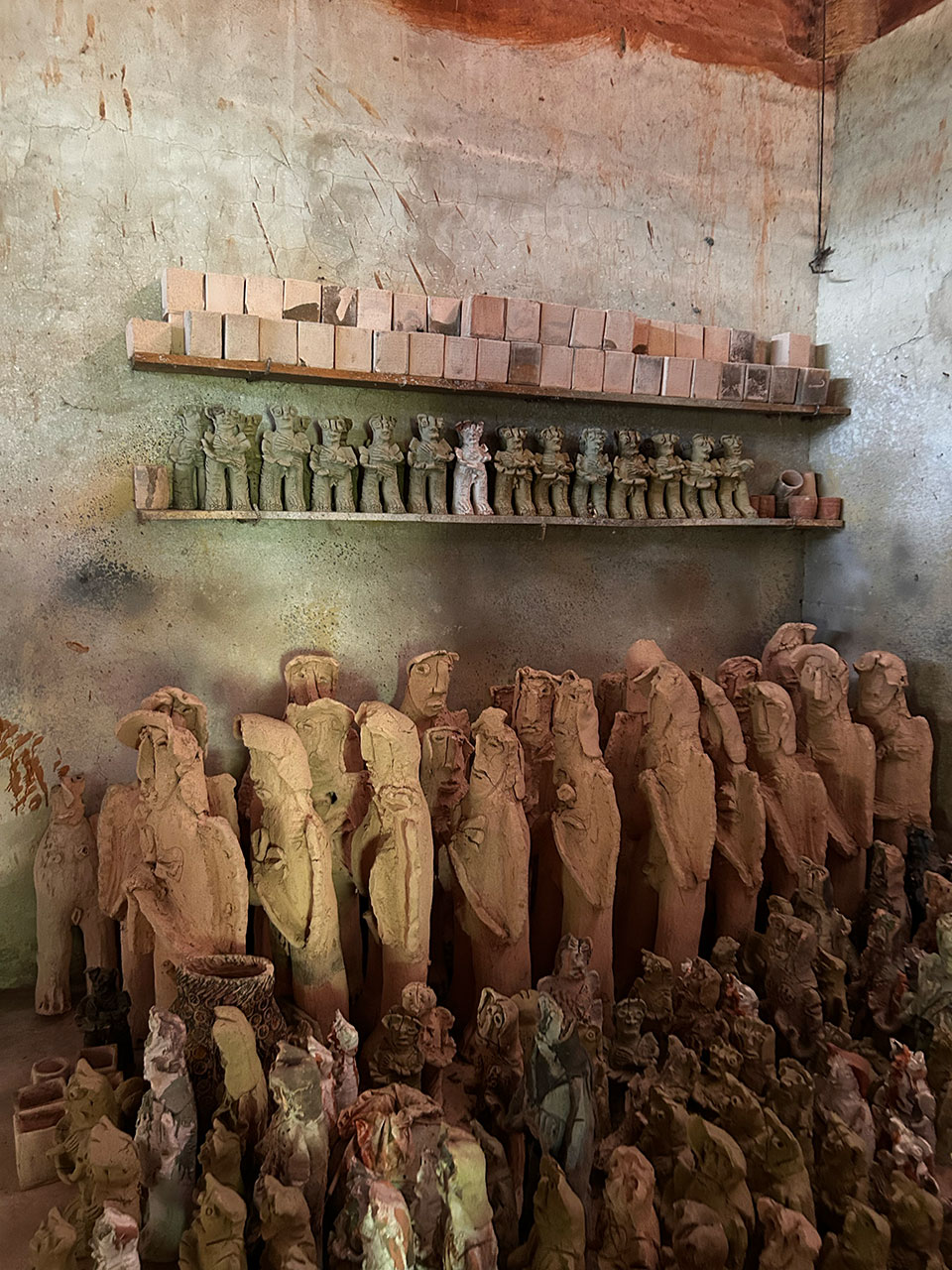
Rooted in the community tradition of tequio, he brings together over 30 artisans at Rancho El Zopilote to hand-sculpt, one by one, the 2,501 clay effigies.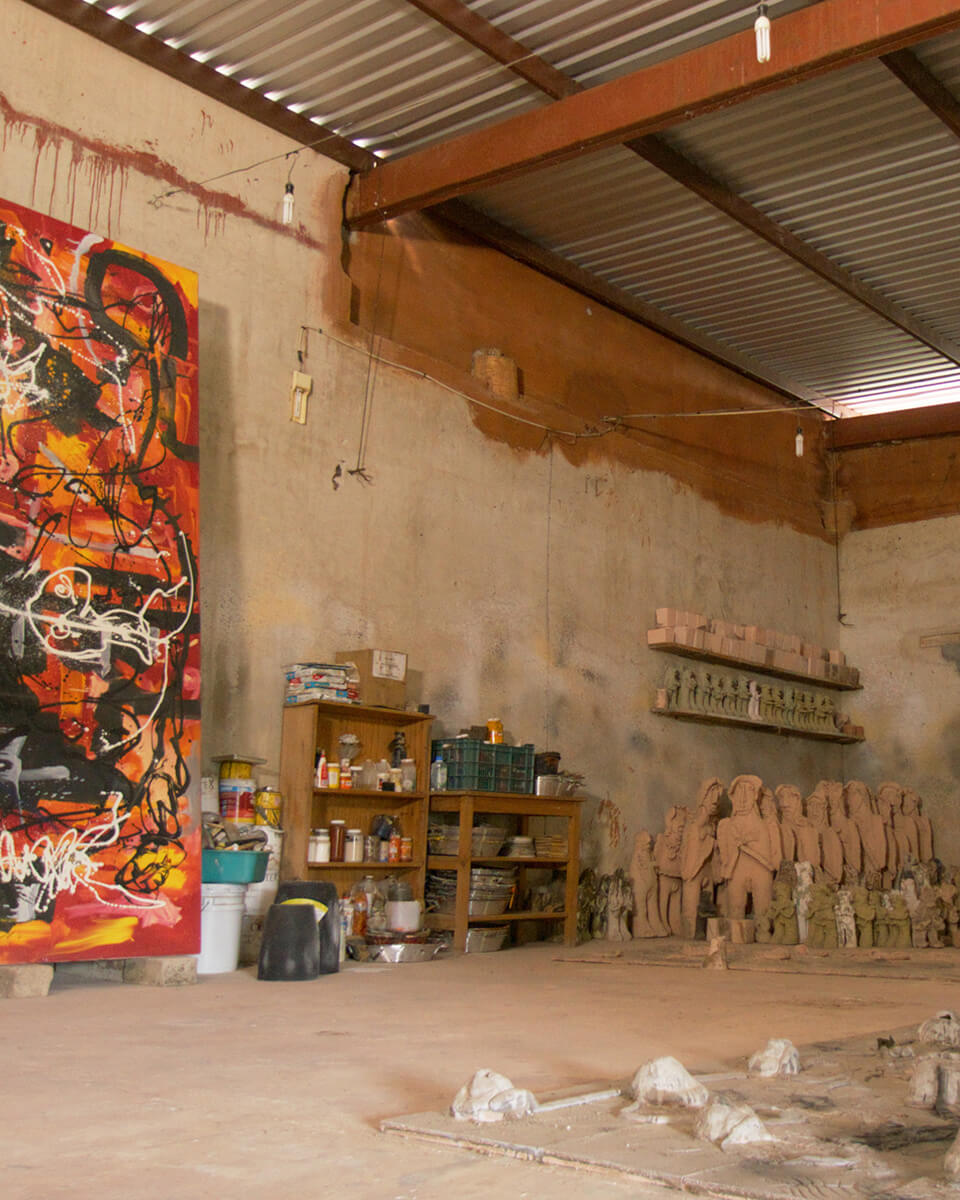
-
2007–2012
Cultural Spaces and Community Front
Founds independent cultural centers such as La Telaraña, La Calera, and La Huella Gráfica, aimed at training youth and providing alternatives to forced migration.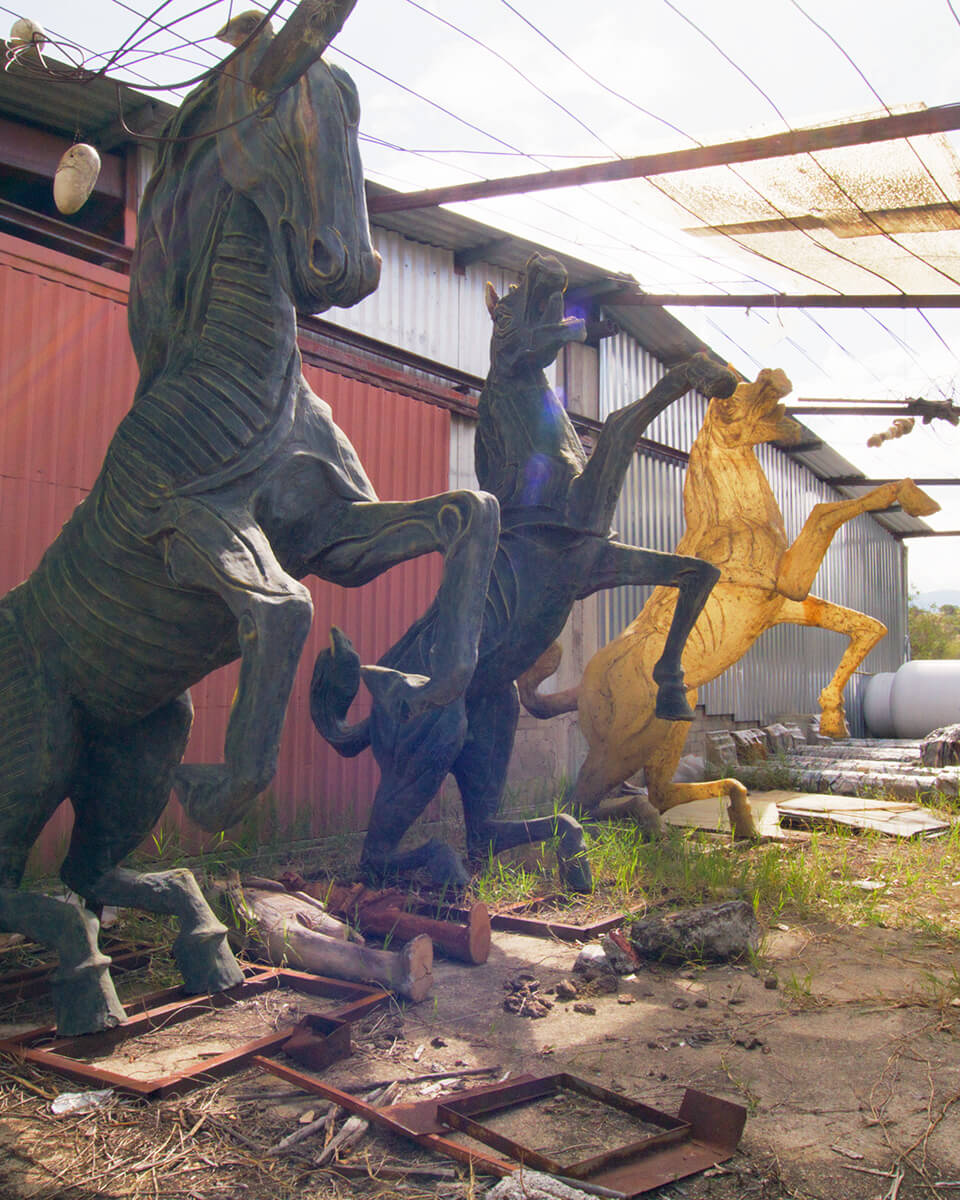
-
2007–2020
Monumental Journey
2501 Migrantes embarks on a pilgrimage through iconic venues like Fórum Monterrey (2007), Mexico City's Zócalo, San Ildefonso, and international spaces. -
2013
Immortal Legacy
Alejandro Santiago passes away on May 29 in Oaxaca, leaving behind an indelible artistic, social, and human legacy.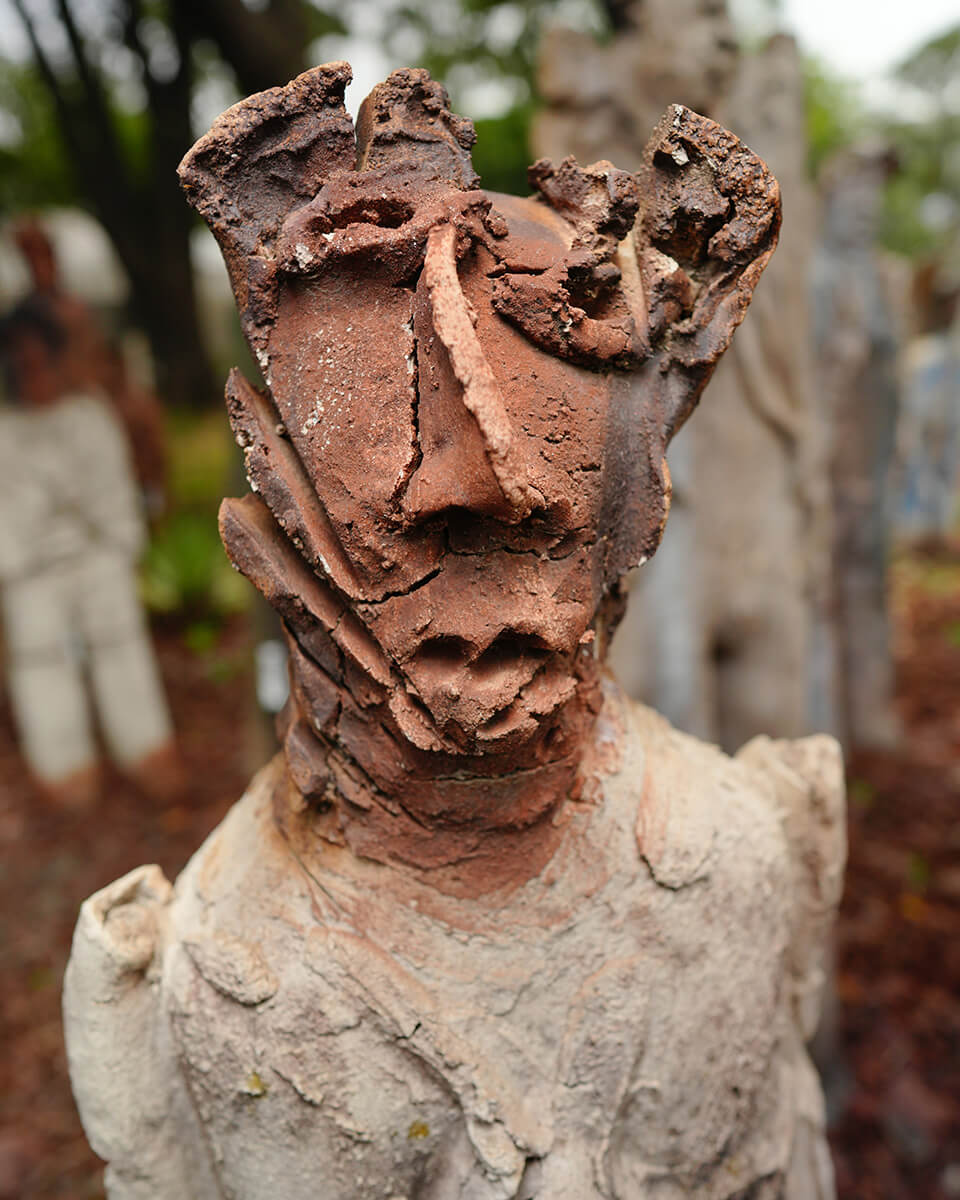
-
2024
Final Settlement
The monumental artwork 2501 Migrantes finds its permanent, nature-integrated home within Cho Ndobá Oaxacan Spring Park.